
What Are Modular Data Centers?
Modular Data Centers (MDCs) are pre-engineered, factory-built computing environments that can be rapidly deployed, scaled, and relocated as business demands evolve. Unlike traditional data centers that require lengthy civil construction, modular solutions are manufactured off-site and arrive ready for connection.
NLC BMC designs, builds, and commissions modular data center solutions across all scales, from a simple single-rack enclosure for a branch office to a containerized data hall capable of supporting an entire enterprise's computing workload.
Three Configuration Types
We offer three standard configurations, each optimised for a different scale and environment:
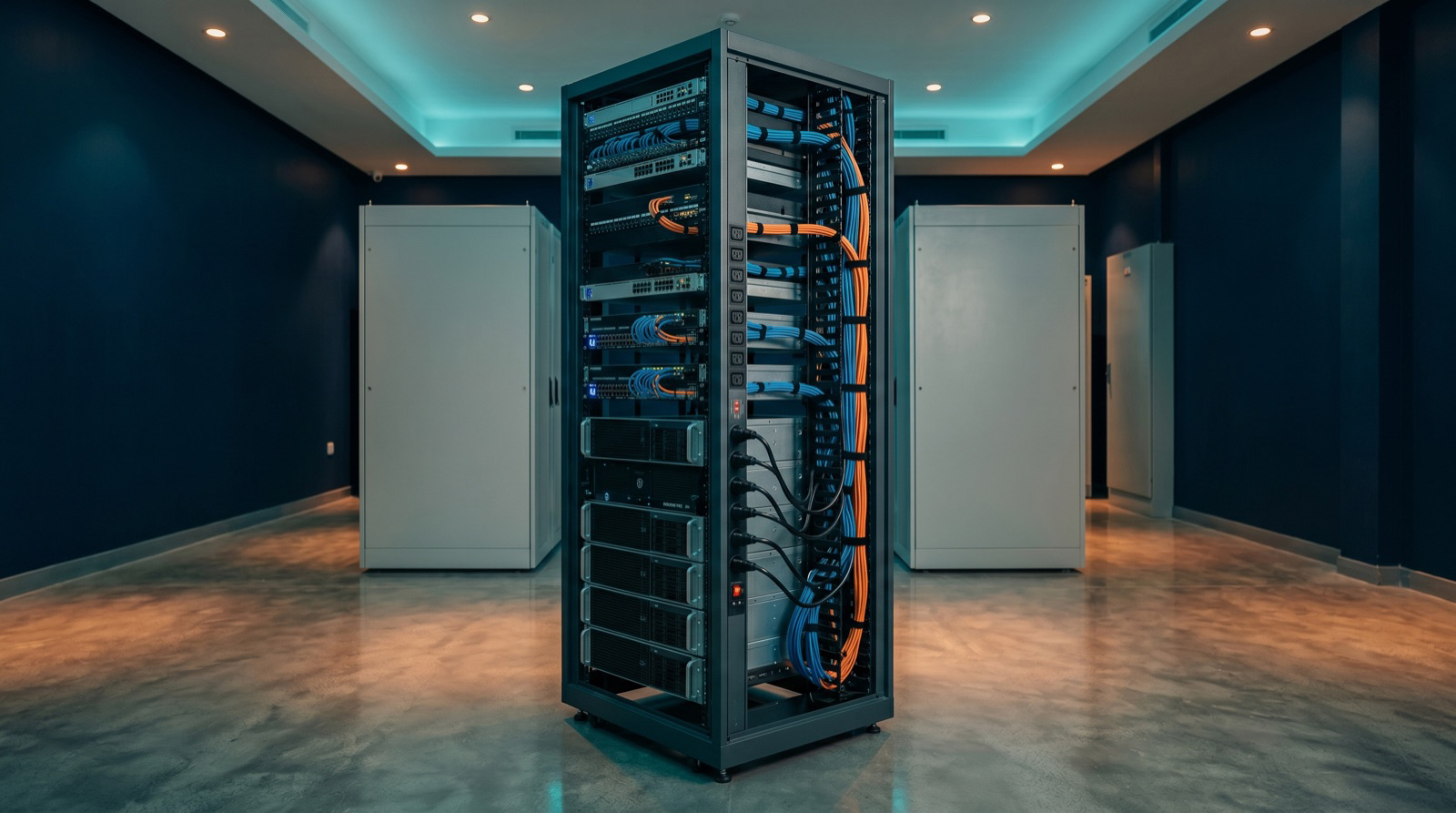
Single Rack
Ideal for small offices, remote sites, or telco edge nodes. Plug-and-play deployment with minimal space and power requirements.
Small Business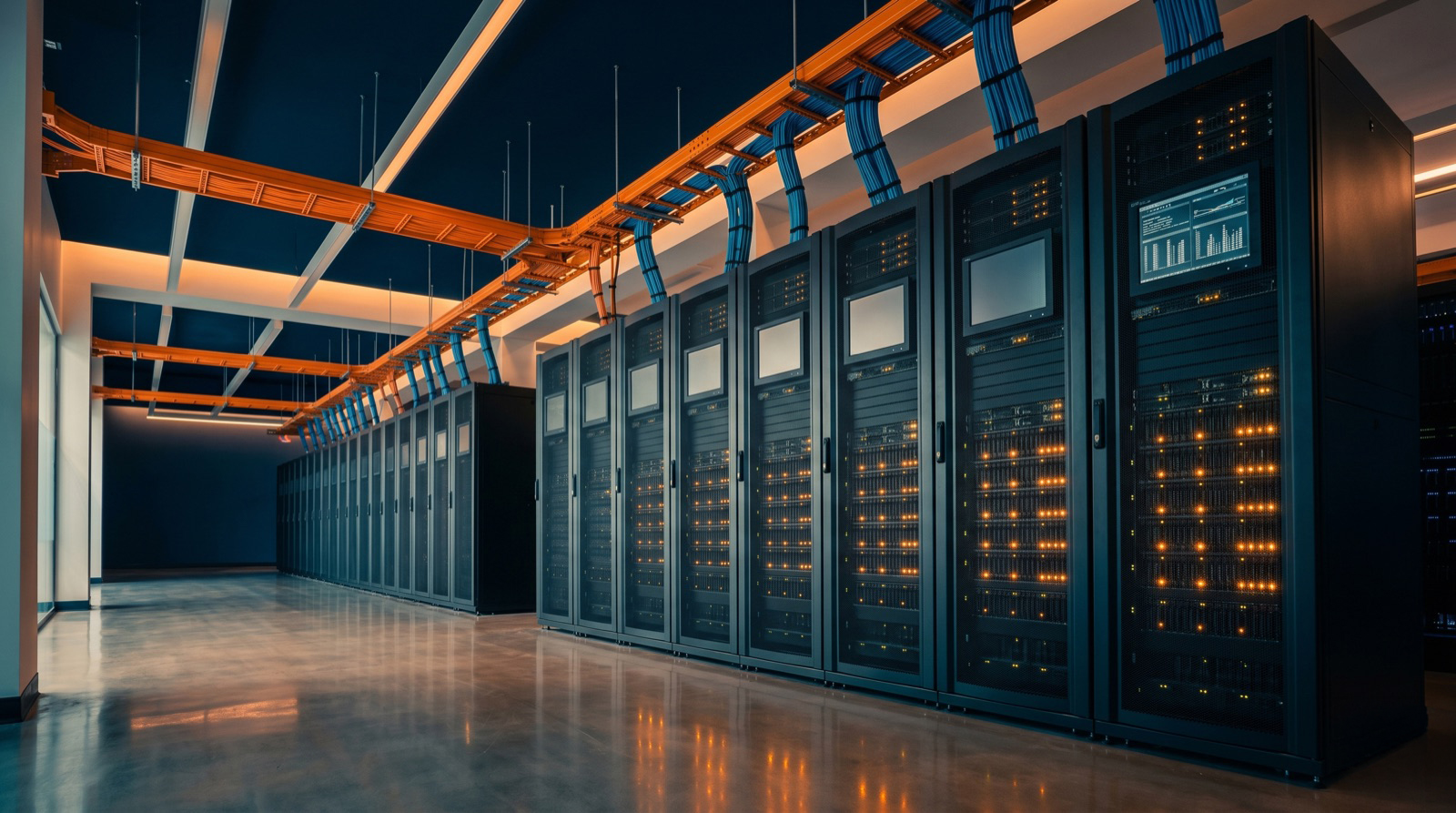
Multi-Rack
For medium to large enterprises requiring an expandable solution. Multiple racks integrated into a single prefabricated module.
Enterprise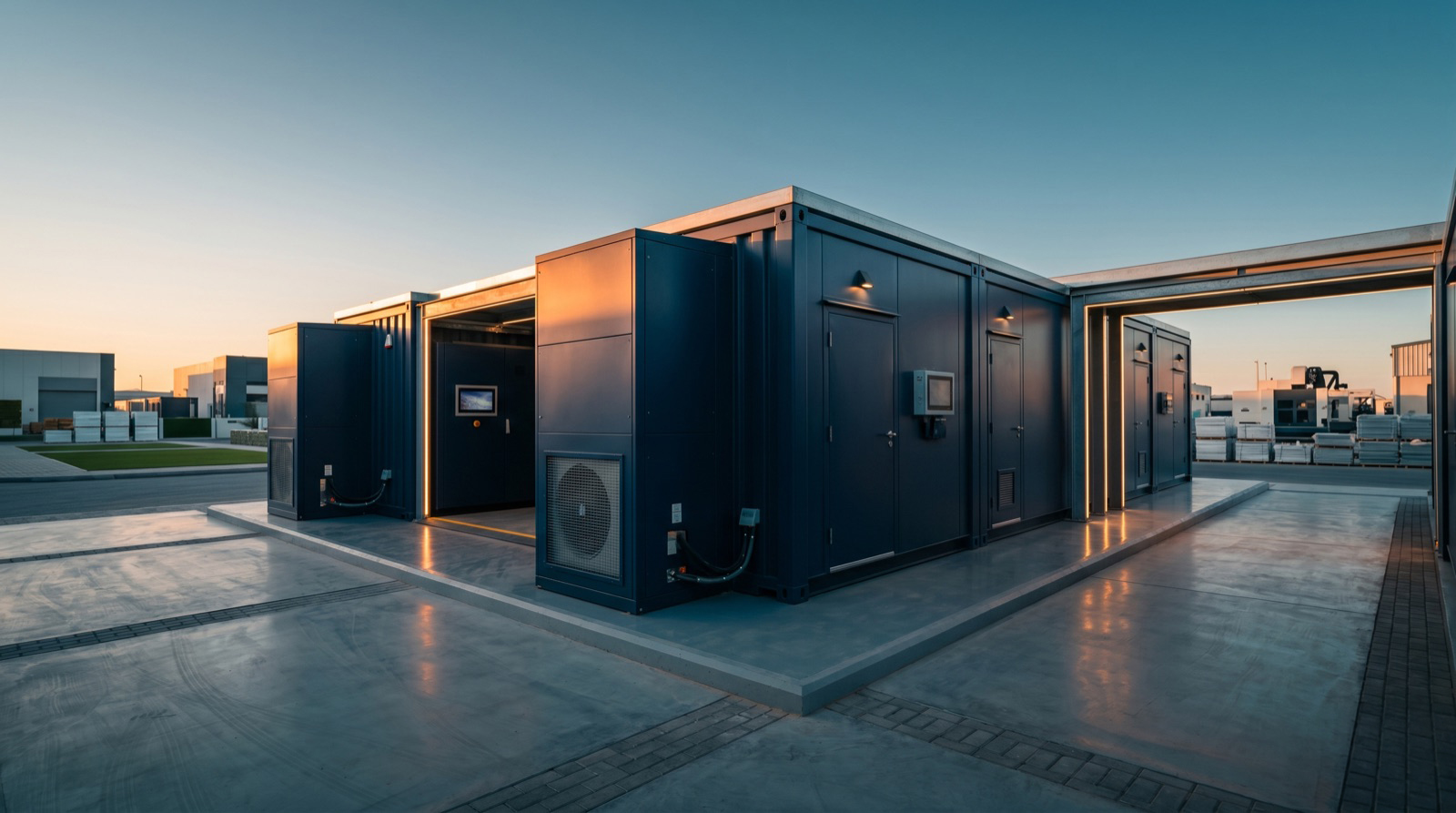
Containerized
Self-contained data halls in a standard shipping container. Deployable in harsh outdoor environments with minimal civil works.
Critical & RemoteKey Features & Benefits
- Rapid Deployment: Factory-built and tested modules reduce on-site installation time by up to 70% versus traditional builds.
- Scalability: Start with what you need today and add modules as capacity requirements grow, no facility downtime required.
- Integrated Power & Cooling: Each module includes UPS, PDU, cooling, cable management, and fire suppression as a unified system.
- Energy Efficiency: Optimised airflow management (hot/cold aisle containment) and precision cooling deliver superior PUE ratings.
- Remote Management: DCIM (Data Center Infrastructure Management) integration allows remote monitoring of power, temperature, and humidity.
- Security: Biometric and card-access controls, CCTV integration, and tamper-proof enclosures for maximum physical security.
Typical Applications
- Corporate offices and headquarters requiring on-premise computing
- Hospitals and healthcare facilities with critical uptime requirements
- Government ministries and public-sector facilities
- Industrial plants and manufacturing with remote edge computing needs
- Telecom providers and ISPs requiring distributed edge nodes
- Smart city projects and Vision 2030 infrastructure programs