Short, practical lessons on the systems behind a working building, covering lux and lumens, lighting controls, BAS, and low current systems, and the standards that govern them. Plain language and real engineering, with no sales pitch.
Every episode answers a real specification question.

Written with our R&D team. Numbers traced to EN 12464-1 / SASO.
Examples drawn from offices, mosques, warehouses, and street installations we work on.
Each episode comes with a LinkedIn carousel for forwarding to a colleague.
Five seasons are live: fundamentals and hardware, light and colour and materials, practice and components, low current and ELV systems, and MV switchgear, power quality and backup. More seasons coming.
Seven episodes covering the building blocks: LED chips, lux vs lumen, electronic assembly, power factor, reflectors, and IP and IK ratings.

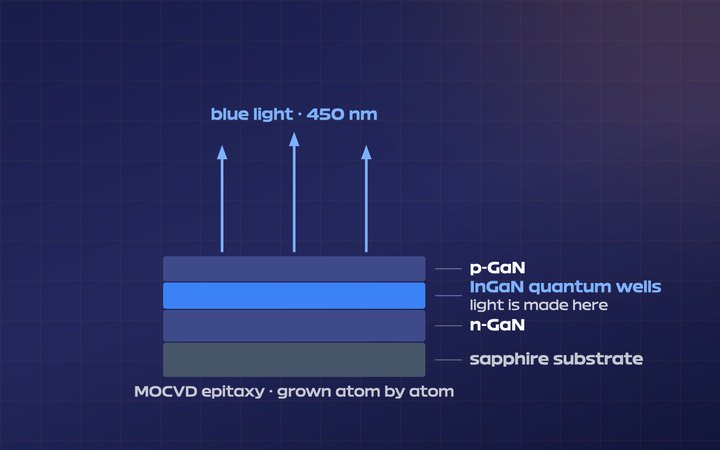
Inside the diode: bin codes, package types, and why the same wattage gives different light.
Read episode
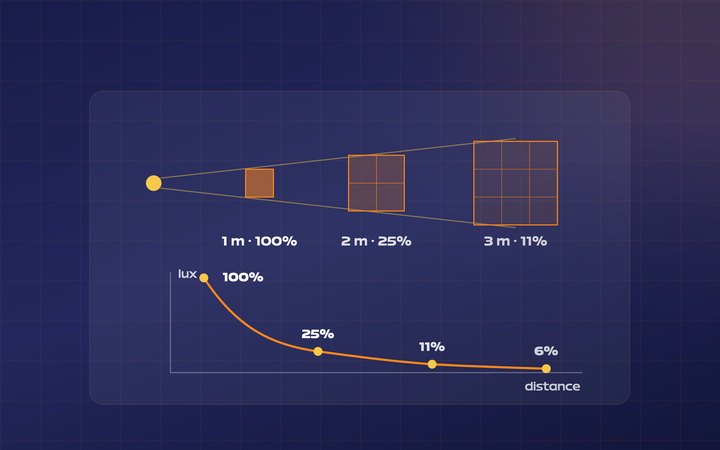
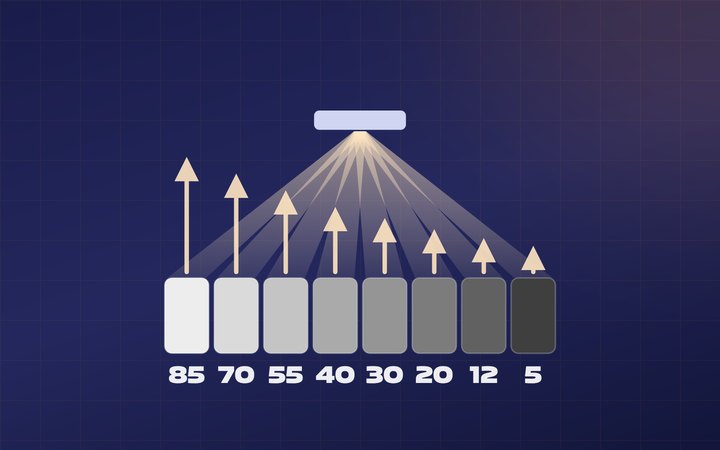
The spec-sheet number you actually want. Why "more lumens" is the wrong question, and what to ask instead.
Watch episode
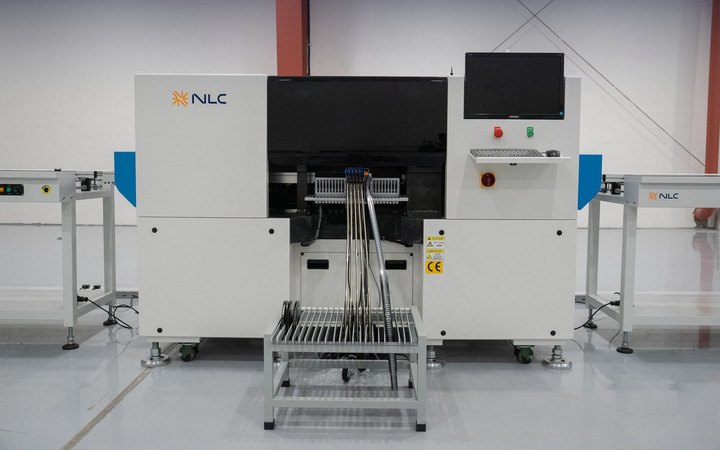
A tour through the line: how surface-mount technology builds a modern LED driver.
Read episode
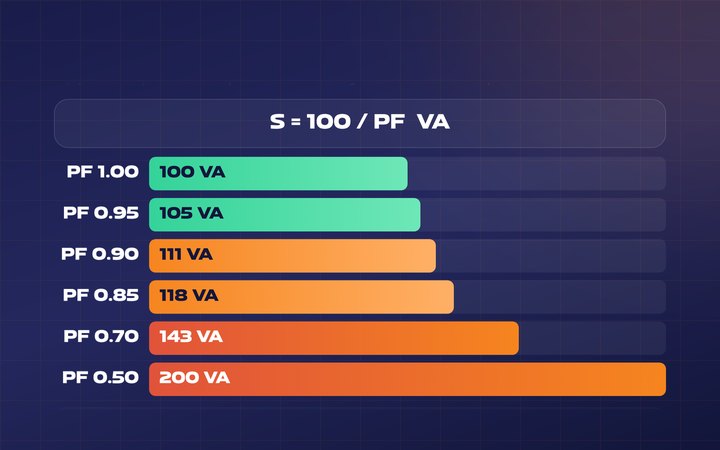
What the >0.9 on your spec sheet really pays for, and the bill you save on the meter.
Read episode
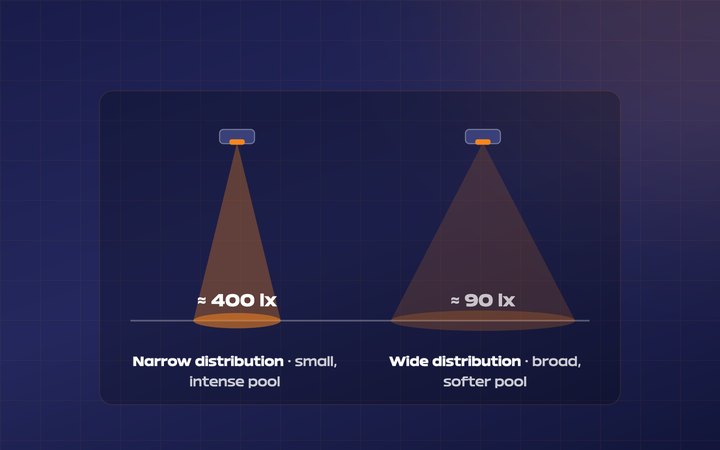
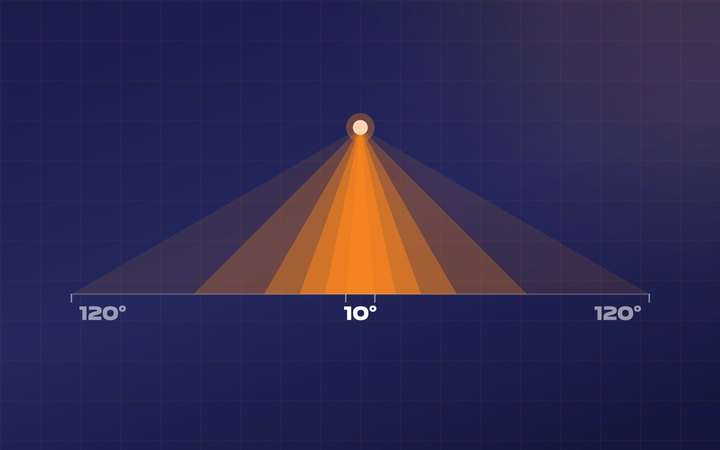
Beam, spread, and how the right reflector turns lumens into the lux you actually want.
Read episode
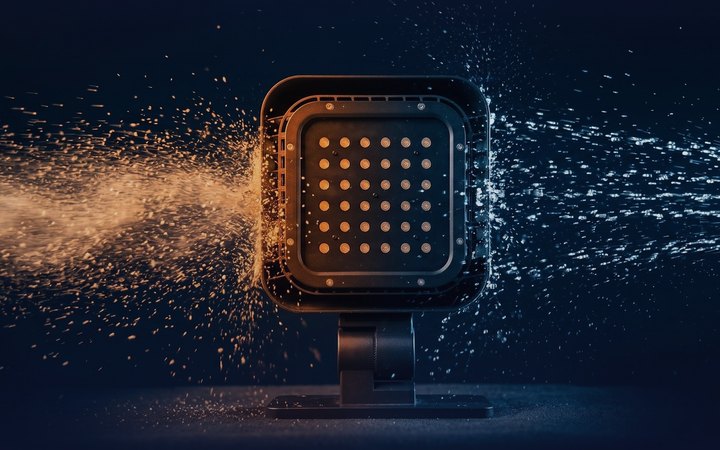
The two-digit code that decides whether your fixture lasts a Saudi summer or fails by year three.
Read episode
The other code: impact resistance. Why street and warehouse fixtures live or die by it.
Read episodeEleven episodes on Kelvin and human-centric light, beam shaping, lens families, yellowing, the green-magenta shift, colour-rendering metrics, lux targets in real spaces, how paint affects what you see, photometric files, conventional light sources, and surge protection.

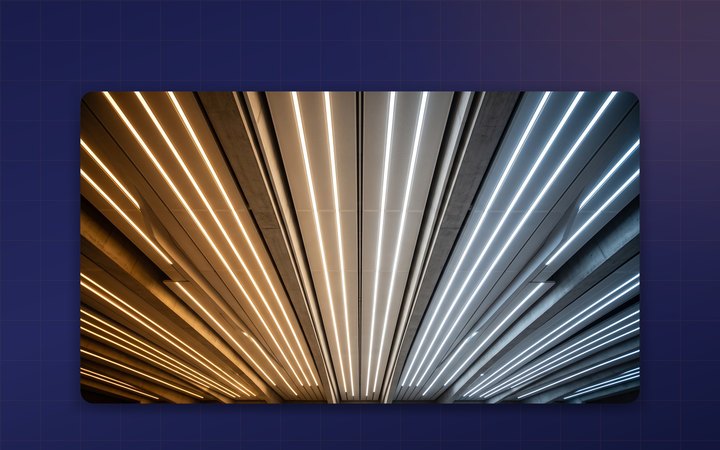
Why colour temperature matters more in a hospital than in a hangar, and how to tune it.
Read episode
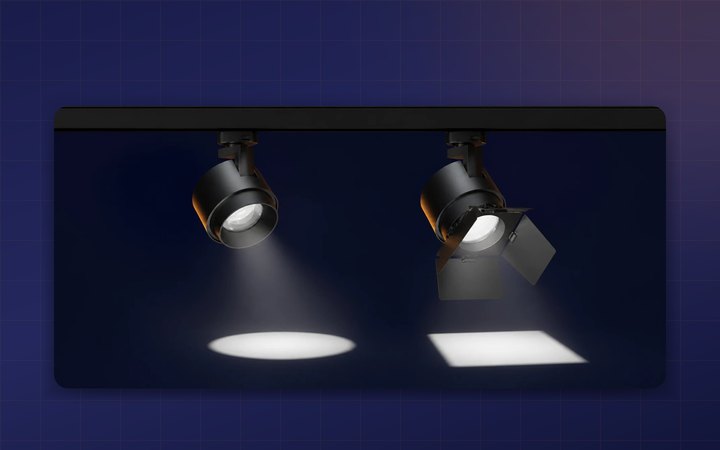
Two ways to shape a beam. When precision beats subtraction, and when it doesn't.
Read episode
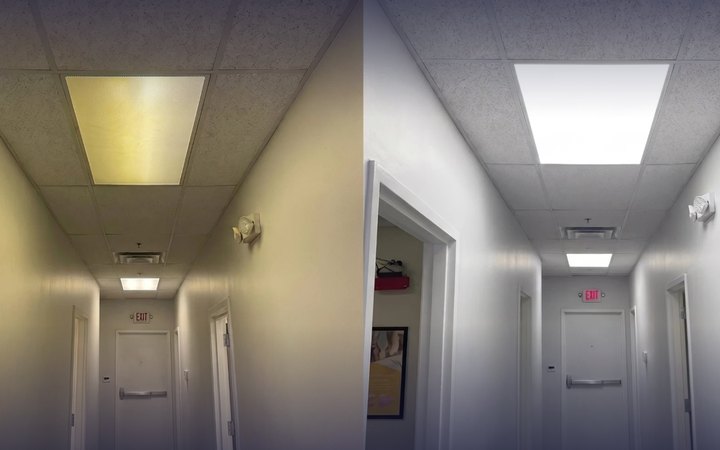
Why white optics turn amber, what causes it, and what to demand on the datasheet.
Read episode
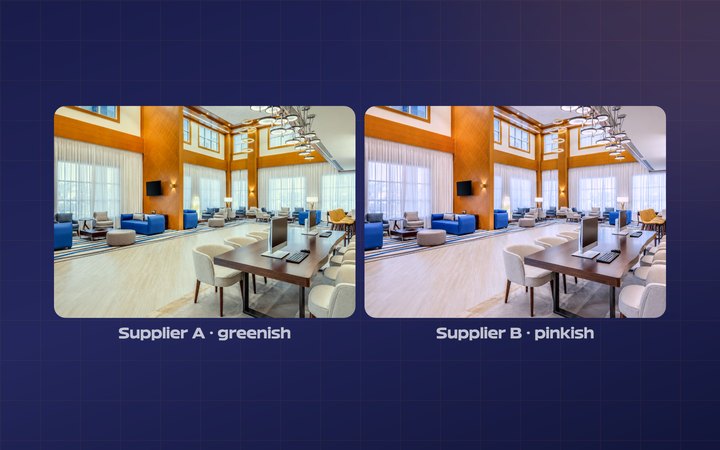
The colour-tint error nobody warns you about, and how to spot it before installation.
Read episode
Three colour-rendering metrics, one decision. Which one to actually trust on a spec sheet.
Read episode
Office, hospital, mosque, mall. The targets that pass design review, and the ones that fail.
Read episode
Why the same fixture reads differently on a matt grey wall vs. a satin white one.
Read episode
TIR, Fresnel, micro-prismatic, opal, batwing, honeycomb: the six lens families that shape every beam after it leaves the LED.
Read episode
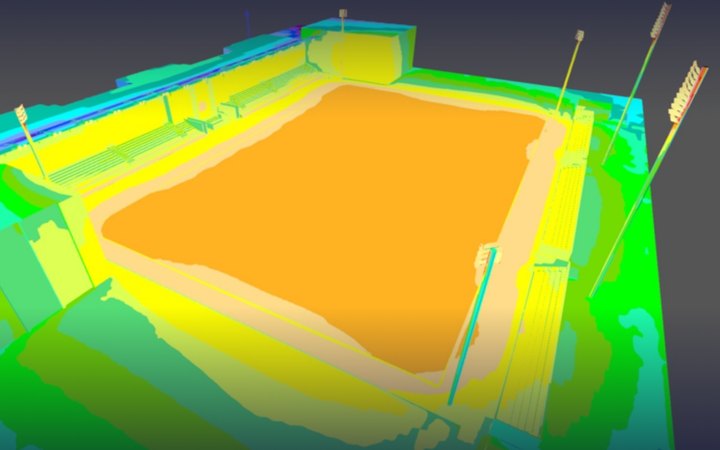
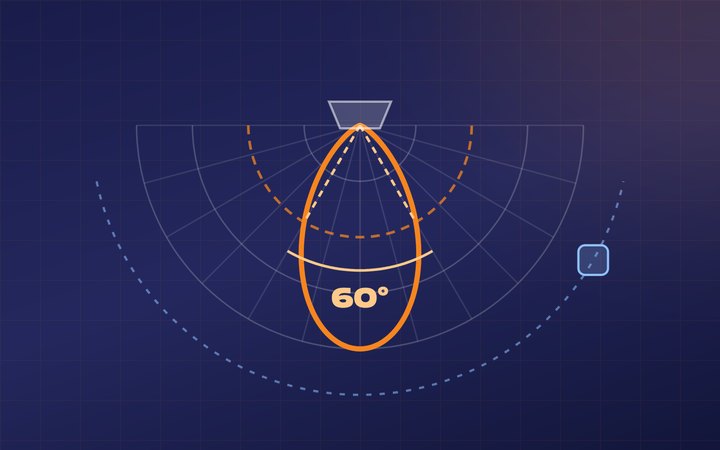
How an .ies file is measured, what the ten numbers on its first line mean, and exactly where the model stops matching the room.
Read episode
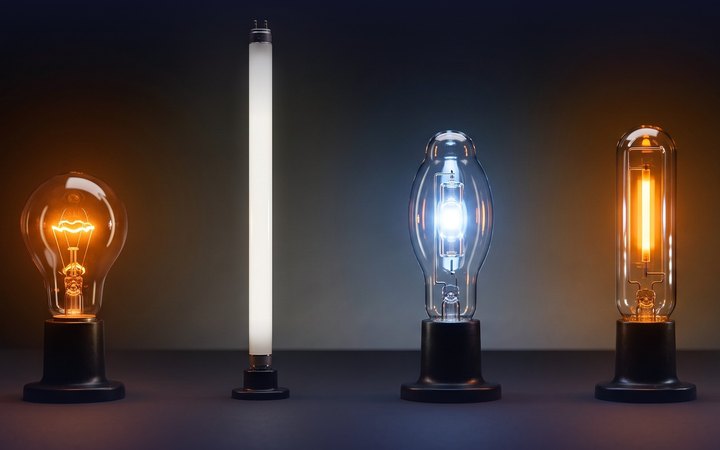
Halogen, fluorescent and HID: how each one actually made light, what killed it, and the jobs LED still has not taken.
Read episode
What the SPD ratings on a datasheet actually mean, why the number that protects a driver is Up and not kA, and how much of it your wiring decides.
Read episodeFour episodes on what a driver actually does, how an LED's life depends on the metal around it, why flicker is the quality nobody specifies, and the dark-sky standard for outdoor lighting.

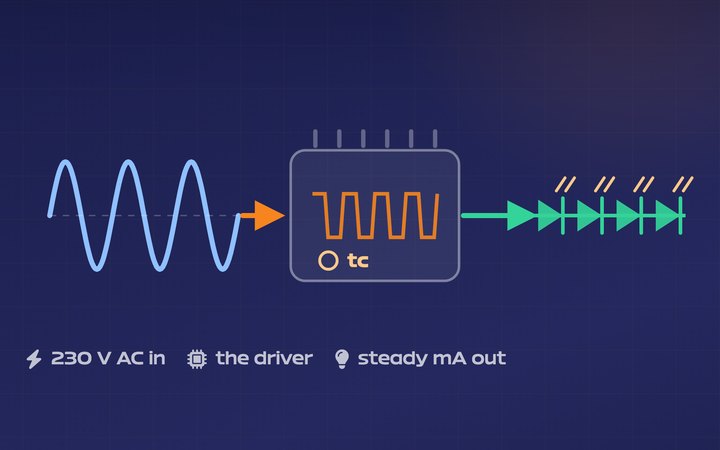
The black box between the wall and the LED, and what happens when it's the wrong one.
Read episode
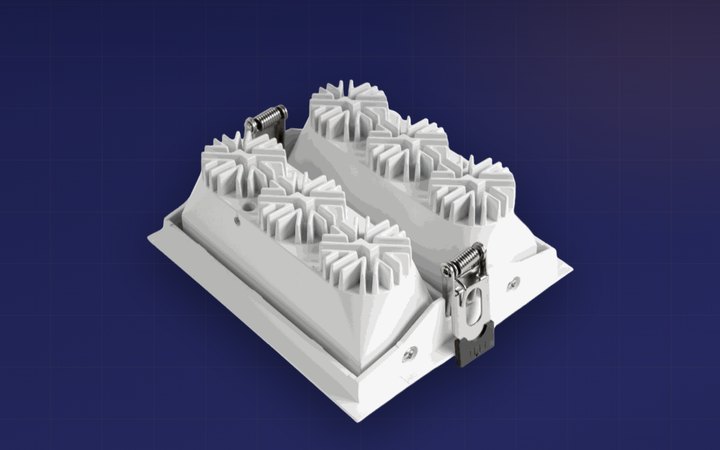
An LED's life depends on the metal around it: the aluminium housing isn't decoration, it's the lifeline.
Read episode
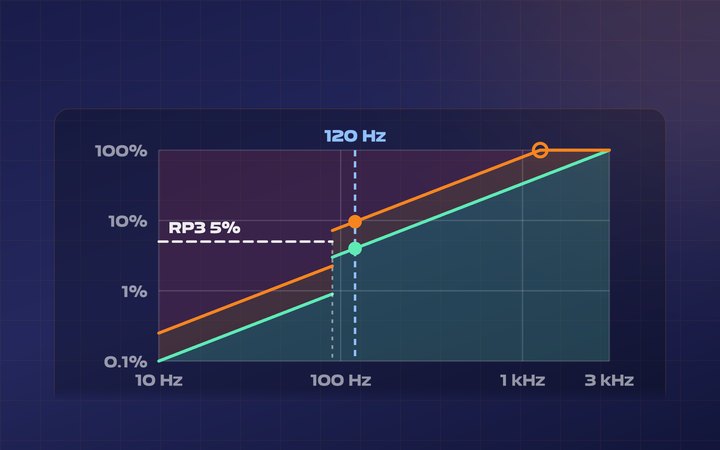
Your eye averages it away. Your camera does not. What IEEE 1789 actually says, and what it deliberately does not.
Read episode
Designing outdoor lighting that lights the ground, not the stars. The new standard for street and resort projects.
Read episodeTen episodes on the systems NLC delivers beyond lighting: structured cabling, control protocols, the BAS backbone, PoE, CCTV, access control, public address, guest room management, emergency lighting and central safety power. Every number traced to a primary source.

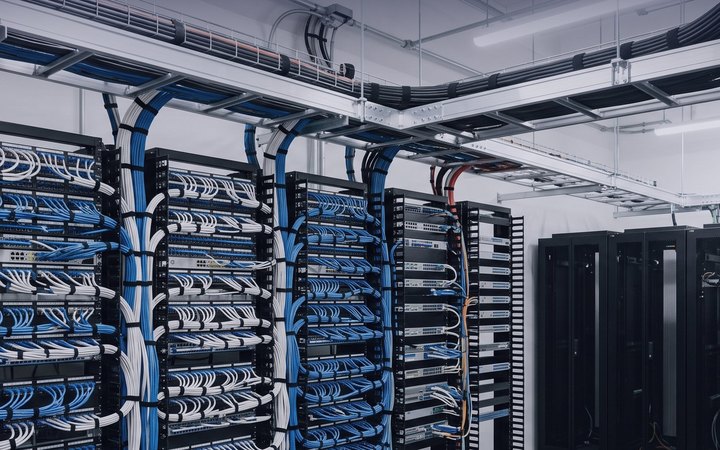
Cat6, Cat6A, Cat8, and fibre: bandwidth, distance, PoE budget, and the standards behind them.
Read episode
DALI, DALI-2, KNX, and 0-10V: three lighting-control languages, and which one fits the project.
Read episode
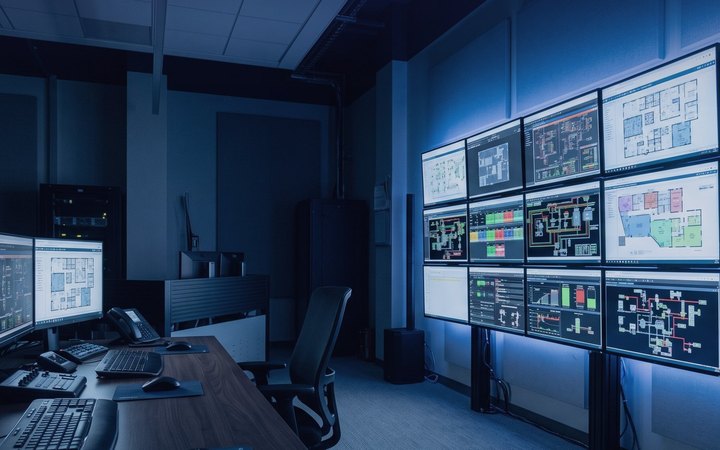
The override nobody cleared, the Modbus word order nobody wrote down, and the seven lines to put in the specification.
Read episode
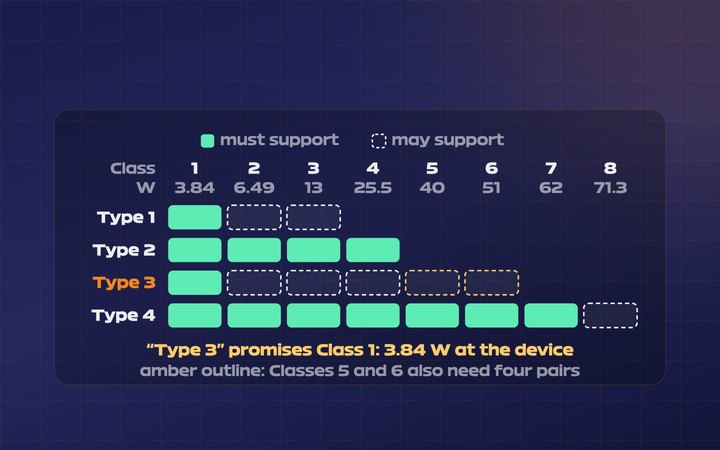
From 15 W to 90 W on one cable: what each PoE type really powers, and the cables that go with each.
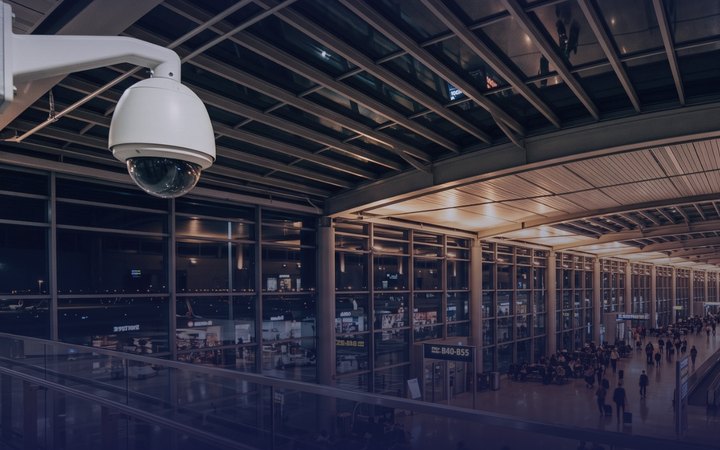
Read episodeIEC 62676-4:2014 was withdrawn on 9 October 2025. Seven levels replaced six, and 250 px/m no longer means what your specification says it means.
Read episode
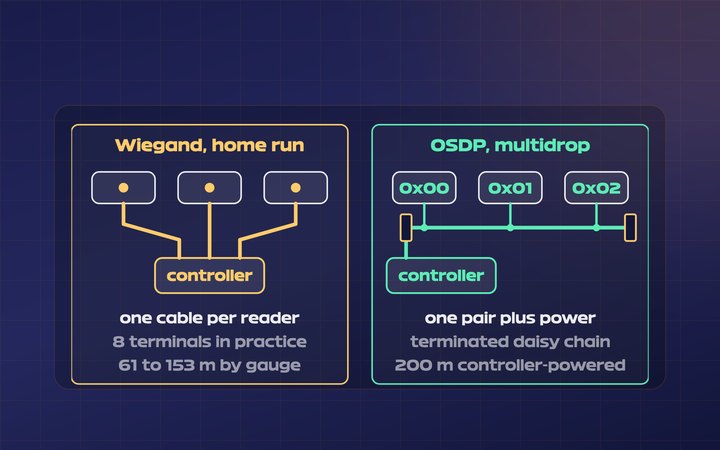
OSDP is not encryption, and no Saudi instrument mandates it. The cloning happens in front of the reader, not behind it.
Read episode
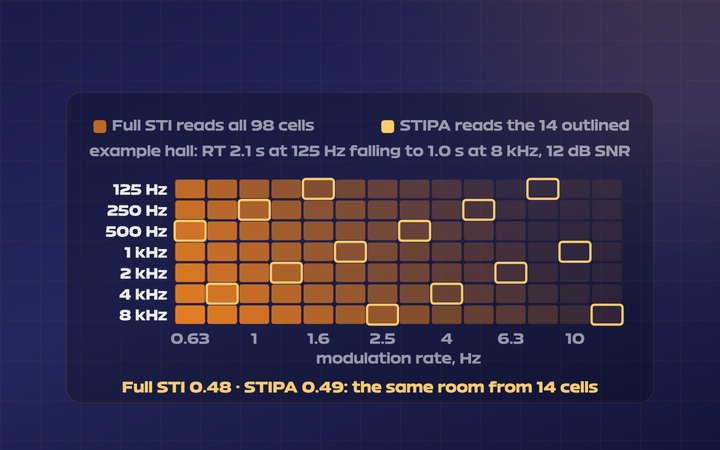
The standard tells you how to measure intelligibility and refuses to set a number. In Saudi Arabia nobody sets one at all.
Read episode
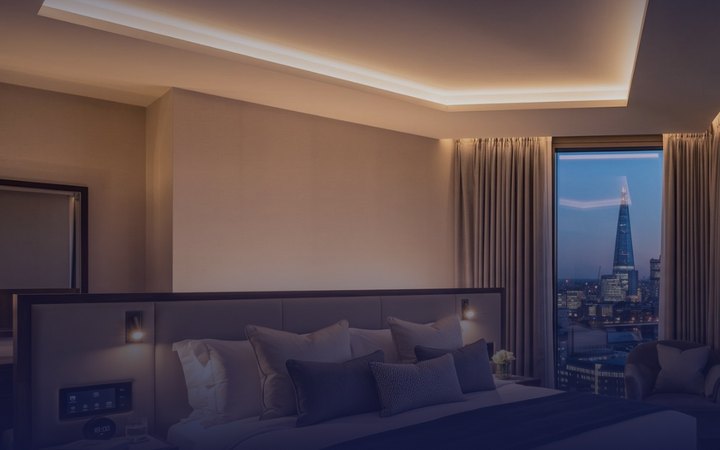
Card in the slot is not occupancy. What ASHRAE 90.1 actually requires of a guest room, and what a PMS link is worth in hours.
Read episode
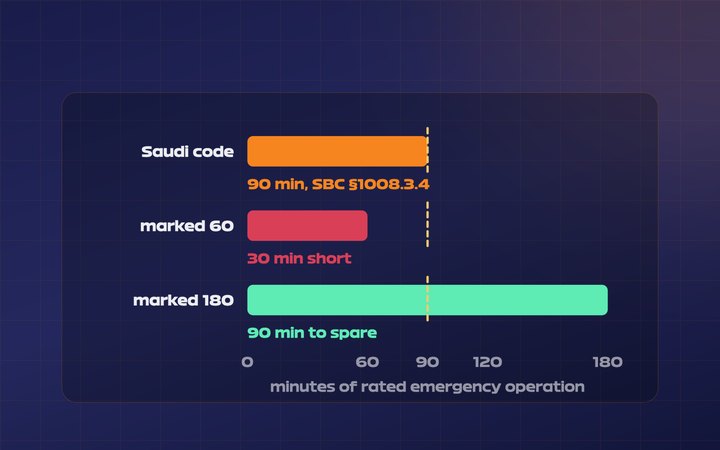
At least 90 minutes under the cited SBC provisions for new buildings, with illuminance allowed to fall from 11 lx to 6 lx by the end. EN 1838 applies only when a specification names it.
Read episode
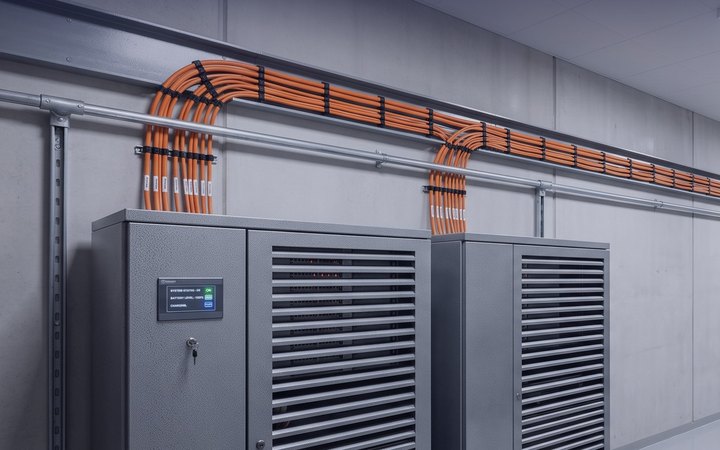
Size the battery for its last day at its real discharge rate, and write the room temperature into the tender.
Read episodeEight episodes on the power side of NLC's work: MV switchgear classes, IEC 61439 verification, arc flash and PPE, harmonics, detuned capacitor banks, cable sizing in Saudi heat, UPS sizing, and transfer switching.

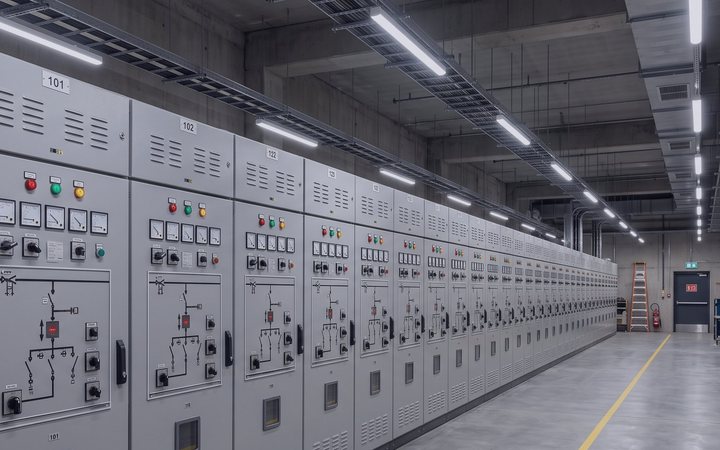
Air and gas insulate, vacuum switches. GIS is about half the footprint of AIS on published dimensions, not a third.
Read episode
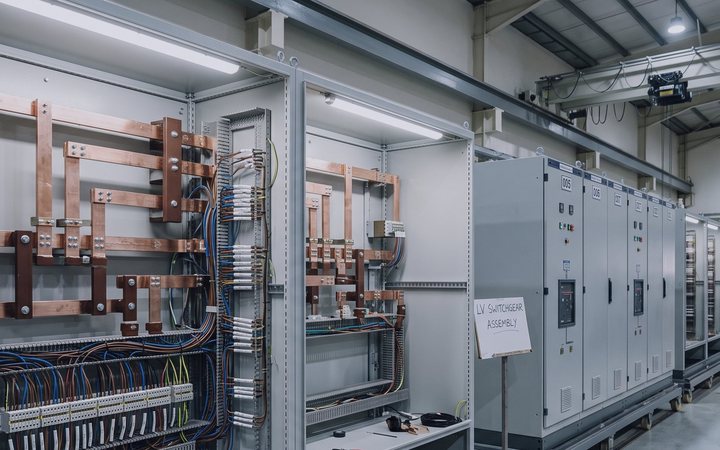
IEC 61439 deleted "type-tested assembly". Design verification by three equivalent routes replaced it, and the 60 Hz rule breaks a European certificate.
Read episode
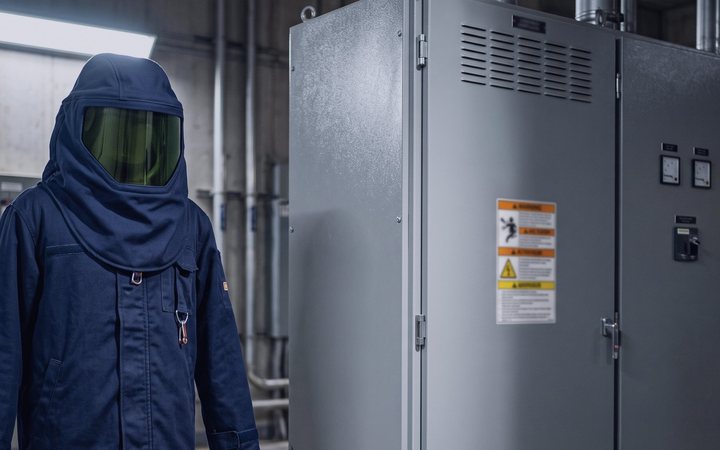
NFPA 70E allows two ways to select arc flash PPE and forbids combining them. Category 0 has not existed since 2015.
Read episode
IEEE 519 limits apply to the installation at the point of common coupling, not to one drive or one luminaire.
Read episode
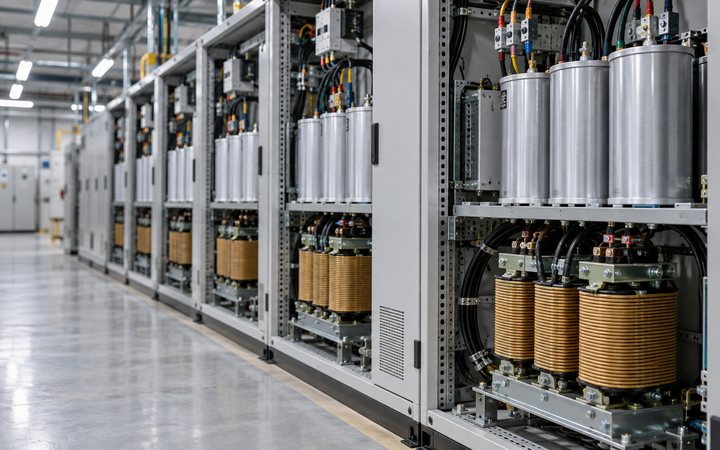
On a 50 Hz grid p = 14% tunes to 134 Hz, not 189 Hz. On Saudi Arabia's 60 Hz grid the same factor tunes to 160 Hz.
Read episode
Catalogue ratings assume 30 °C air. In 50 °C air PVC keeps 71% and XLPE 82%, before grouping takes its share.
Read episode
IEC 62040-3 classifies a UPS with a three-field code, not a class number, and the classification implies no topology.
Read episode
Edition 4.0 of IEC 60947-6-1 (April 2026) adds closed transition as Annex D. Cite the edition, and the annex, in the specification.
Read episodeTell us what you'd like to see next. We read every suggestion.